

 Facebook
 X
X
 Pinterest
 Copy Link
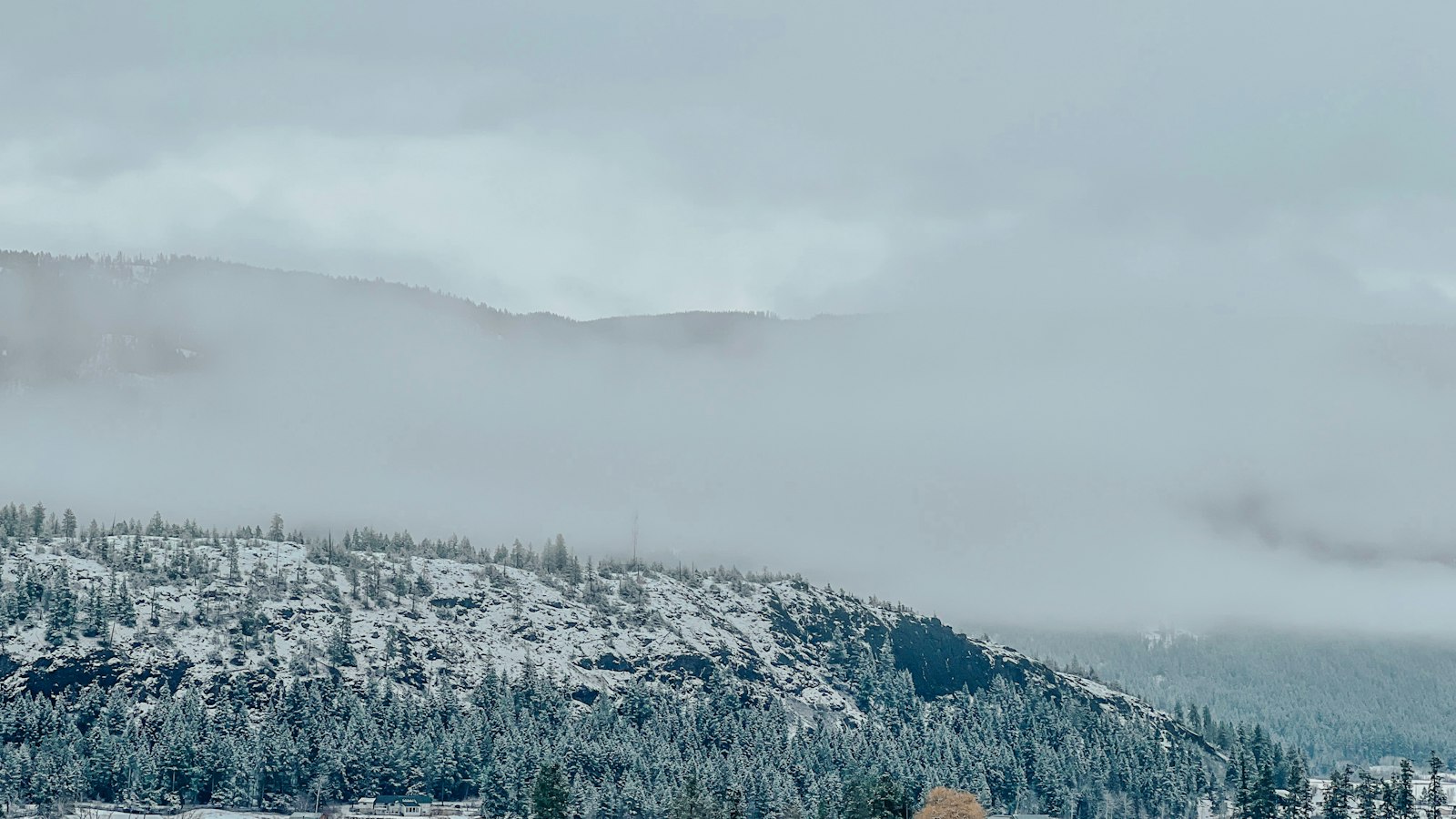
Short answer: Vernon has four real seasons. Summers are hot and dry, with an average July high of about 28°C and about 25 days a year above 30°C. Winters are cold but not brutal, with an average January low of about -5°C and about 91 cm of snow a year. The whole year brings only about 428 mm of precipitation, roughly a third of what Vancouver gets. These figures come from Environment Canada’s 1981 to 2010 climate normals for the Vernon Bella Vista station.
People moving here usually expect one of two things: endless sunshine or Prairie-style winters. The truth sits in between. Here’s what the numbers say, and what it actually feels like to live through a year in Vernon.
Where do these numbers come from?
All temperature and precipitation figures in this post come from Environment and Climate Change Canada’s climate normals for the Vernon Bella Vista station, which sits at about 427 m elevation, using the 1981 to 2010 period. Climate normals are 30-year averages, so any single year can be quite different. Recent summers have included record heat and smoky stretches that averages don’t show.
How hot does Vernon get in summer?
Hot. Here are the average daily highs and lows:
- June: about 24°C high, 11°C low
- July: about 28°C high, 13°C low
- August: about 28°C high, 12°C low
- September: about 22°C high, 7°C low
Vernon averages about 25 days a year above 30°C and about 3 days above 35°C, almost all in July and August. The good news is that it’s dry heat, and evenings cool off nicely. The lakes warm up enough for swimming, and summer is when Vernon really shines: beaches, patios, orchards and the rail trail.
If you’re buying, air conditioning is worth checking. So is shade. West-facing lake view decks can get very hot on summer afternoons. And if you want to cool off at home, here are Vernon homes for sale with pools.
Planning to buy in Vernon soon? Get pre-approved first, then text me at 778-363-0542 and I’ll send you new listings that match what you want, or book a 10-minute chat. Quick questions any time: call Sarah, my 24/7 AI info line, at 604-227-4810.
How cold are Vernon winters?
Cold enough to need a proper coat, but milder than most of Canada:
- December: about 1°C high, -4°C low
- January: about 1°C high, -5°C low
- February: about 4°C high, -4°C low
On average, the station sees about 15 nights a year below -10°C and about 2 nights below -20°C. Cold snaps happen, but they usually don’t last long.
What people don’t always expect is the grey. In mid-winter, the valley can sit under low cloud for days at a time while it’s sunny up at SilverStar. Locals deal with it by heading up the hill to ski, snowshoe or just find the sun. My post on things to do in Vernon in winter has ideas.
How much snow does Vernon get?
The Bella Vista station averages about 91 cm of snow a year. Most of it falls in December (about 31 cm), January (about 26 cm), November (about 16 cm) and February (about 12 cm). Snow usually stays on the ground through much of January, with an average snow depth of about 16 cm that month.
Elevation makes a big difference. Neighbourhoods near the lakes often get rain when the hillsides get snow. Homes higher up, in areas like Foothills, The Rise or Middleton Mountain, generally see more snow and colder mornings. SilverStar Mountain Resort, above the city, gets far more. If you’re looking at a home with a steep driveway, ask the seller how they handle it in winter. It’s a real quality-of-life question.
What are spring and fall like?
These are my favourite seasons here.
- April: about 16°C high, 3°C low
- May: about 20°C high, 7°C low
- October: about 13°C high, 3°C low
- November: about 5°C high, -1°C low
On average, the last spring frost is in mid-April and the first fall frost is around the third week of October, giving Vernon a frost-free season of about 189 days. That’s why orchards, vineyards and big backyard gardens do so well here. Fall brings harvest season, warm afternoons, cool nights and quiet lake days after the summer visitors leave.
Does Vernon get a lot of rain?
No. Vernon averages about 428 mm of precipitation a year, including snow. For comparison, Environment Canada’s normals show about 1,189 mm at Vancouver International Airport. June is Vernon’s wettest month for rain, and November and December bring the most total precipitation.
What about wildfire smoke?
This is the honest part. The dry climate that makes Okanagan summers so good also means wildfire season. Not every summer is smoky, but some years bring days or weeks of haze. It’s worth having a good air purifier, knowing how to check air quality, and understanding what wildfire risk means for insurance.
I cover the property side in wildfire, FireSmart and home insurance for Vernon buyers.
Do I need winter tires in Vernon?
For highway driving, yes. The BC government requires winter tires or chains on most designated routes from October 1 to April 30, and on some lower routes until March 31. Most locals run proper winter tires from fall to spring anyway, especially if they drive to SilverStar or live on a hill.
Did the time change affect winter daylight?
Yes, a little. BC adopted permanent daylight time in 2026, so clocks won’t fall back on November 1, 2026, according to the Province of BC. That means later sunrises and later sunsets in winter compared to past years. If you’re an early riser, expect darker winter mornings.
Which neighbourhoods suit different weather preferences?
- Love the heat and the water? Look at Okanagan Landing and lakeside Coldstream near Kalamalka Lake.
- Love snow? Look at the SilverStar neighbourhoods.
- Want something in between? Hillside areas like Bella Vista, Foothills and the East Hill give views and slightly cooler summer nights.
Frequently asked questions
What is the hottest month in Vernon, BC?
July. The average daily high is about 28°C at the Vernon Bella Vista station, based on Environment Canada’s 1981 to 2010 normals.
How much snow does Vernon get per year?
About 91 cm a year on average at Vernon Bella Vista, mostly from November to February. Higher elevations get more.
How cold does it get in Vernon in winter?
January’s average low is about -5°C. The station averages about 15 nights a year below -10°C and about 2 nights below -20°C.
Is Vernon drier than Kelowna?
They’re similar. Environment Canada’s normals show about 428 mm a year at Vernon Bella Vista and about 387 mm at Kelowna airport.
More Vernon guides
- Health Care in Vernon: Hospital, Clinics and Finding a Family Doctor
- Jobs and the Economy in Vernon, BC
- Moving to Vernon from Vancouver and the Lower Mainland: An Honest Guide
- Vernon and Coldstream neighbourhoods
- Vernon and Coldstream schools guide
Questions about buying or selling in Vernon?
I’m Sean Phillips, a REALTOR® with Coldwell Banker Executives Realty in Vernon, BC. I live in Okanagan Landing, and I help buyers and sellers across Vernon, Coldstream, SilverStar and the North Okanagan.
Text or call Sean: 778-363-0542
Call or text Sarah, my 24/7 info line: 604-227-4810
Book a 10-minute chat with Sean
This article is general information as of fall 2026, not legal, tax or financial advice. Rules, fees and conditions change, so confirm details with the appropriate professional or authority before making a decision.
Featured photo by Beth La Torre on Unsplash.
